
Swish Fitness for
Everyone
BE FIT. FEEL GREAT. LOVE LIFE.
Build a body that supports everything you want to do.
Fitness is not reserved for athletes, gym enthusiasts, or people who are already in great shape. It is for anyone who wants to feel stronger, move more comfortably, have more energy, and continue enjoying an active life.
You may want to return to activity after an injury, improve your performance in a sport, keep up with your family, feel more confident exercising, or maintain your strength and independence as you get older.
Whatever your starting point, Swish Fitness for Everyone helps you build from where you are today toward where you want to go.
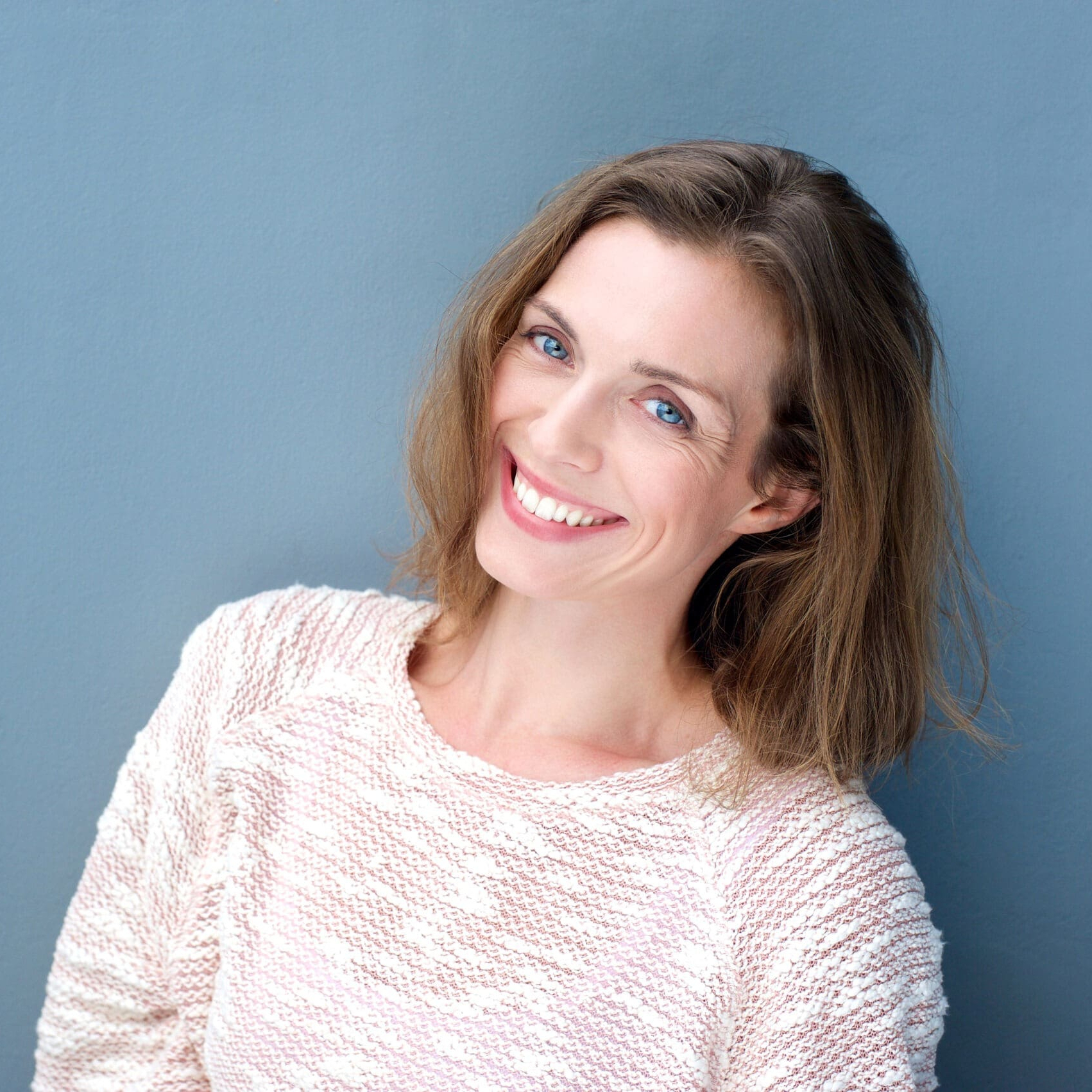
FITNESS THAT SUPPORTS REAL LIFE
Fitness Should Make You Feel Better
It should help you carry your groceries, climb stairs, work in the garden, play with your children or grandchildren, participate in your favorite sport, travel comfortably, and get through your day with greater ease.
It should also help you feel more confident in your body.
The Swish Fitness System is built around functional exercise—movements that prepare your body for the demands of everyday life, work, recreation, and sport.
IS Swish fitness RIGHT FOR YOU?
Swish Fitness may be a good fit if you:
Want to become stronger and improve your overall fitness
Are beginning exercise for the first time
Are returning after an injury, illness, surgery, or period of inactivity
Want to prepare for a sport, activity, trip, or physical challenge
Feel stiff, weak, tired, or less mobile than you used to
Experience recurring discomfort with certain movements
Want to improve your posture, balance, and coordination
Need a more purposeful program than a general online workout
Want to remain active and independent as you get older
Have finished Physical Therapy but are not ready to exercise completely on your own
Feel intimidated or uncomfortable in a traditional gym environment
Want exercises that relate to your actual goals
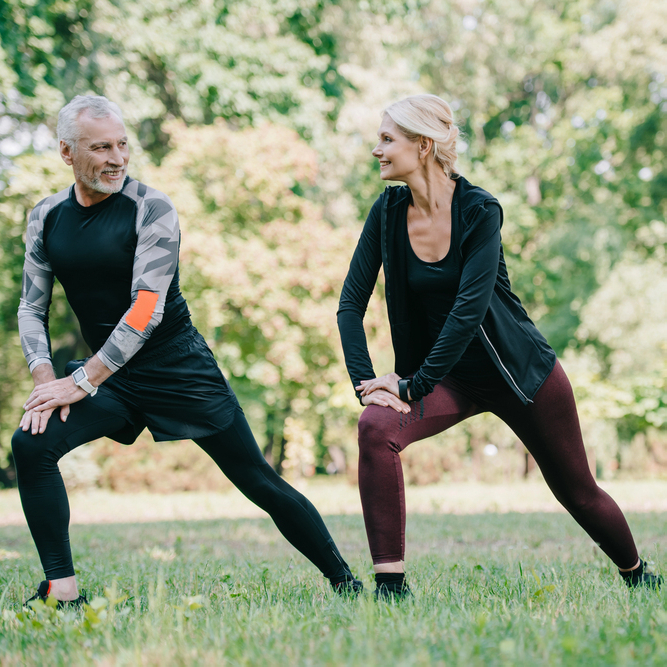
WHY IS EXERCISE ESPECIALLY IMPORTANT FOR WOMEN
You do not have to get fit before you begin. The program is designed to meet you at your current level and progress from there. The exercises are designed to be progressive and allows you to build as you get stronger. Additional modifications can also be provided to adjust for your specific body ability.
Why Overall Fitness Matters
A well-rounded fitness program includes more than one type of exercise. Strength, cardiovascular fitness, flexibility, mobility, balance, and coordination all contribute to how well your body functions.
Improving these areas can help make everyday movements easier while also supporting athletic performance, confidence, long-term health, and independence.
Physical activity benefits people of all ages. It can strengthen the heart and lungs, improve energy, balance, coordination, mood, concentration, and sleep, and help lower the risk of conditions such as heart disease and type 2 diabetes.
[Government of Canada] (www.canada.ca/en/public-health/services/being-active/physical-activity-your-health.html)
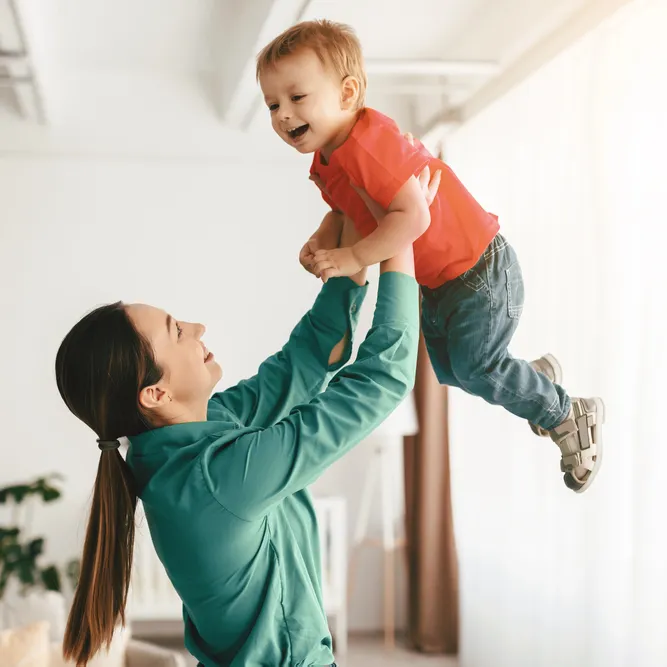
Strength For Life
Want to become stronger and improve your overall fitness
Rise from a chair
Climb stairs
Carry groceries
Lift a child
Push, pull, or reach
Complete household and yard work
Maintain your posture
Participate in sports
Recover your balance if you slip or stumble
Strength training does not have to mean lifting extremely heavy weights. It can include body-weight exercises, resistance bands, free weights, machines, or functional movements adapted to your ability.
Building strength can help you:
Perform daily activities with less effort
Support and protect your joints
Improve posture and movement control
Maintain muscle and physical capacity as you age
Improve balance and stability
Prepare your body for sport and recreation
Support bone health
Feel more physically confident
Muscle-strengthening activity is recommended for adults and older adults because it provides benefits beyond cardiovascular activity alone. Canadian guidance also emphasizes muscle- and bone-strengthening activities as part of an active lifestyle. [Government of Canada] www.canada.ca/en/public-health/services/being-active/physical-activity-your-health.html)
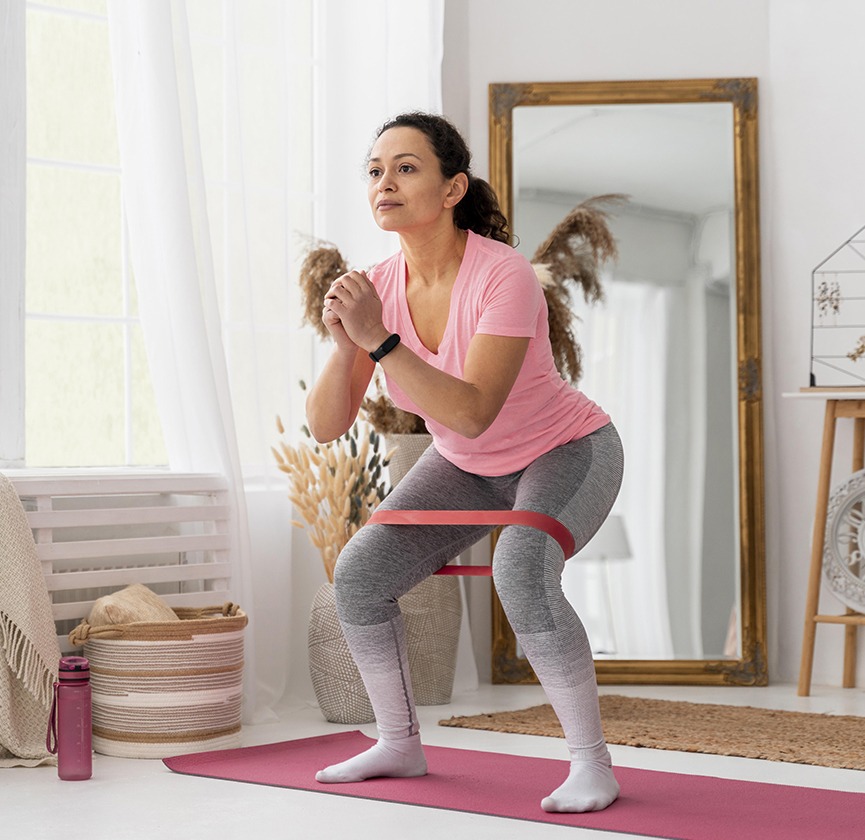
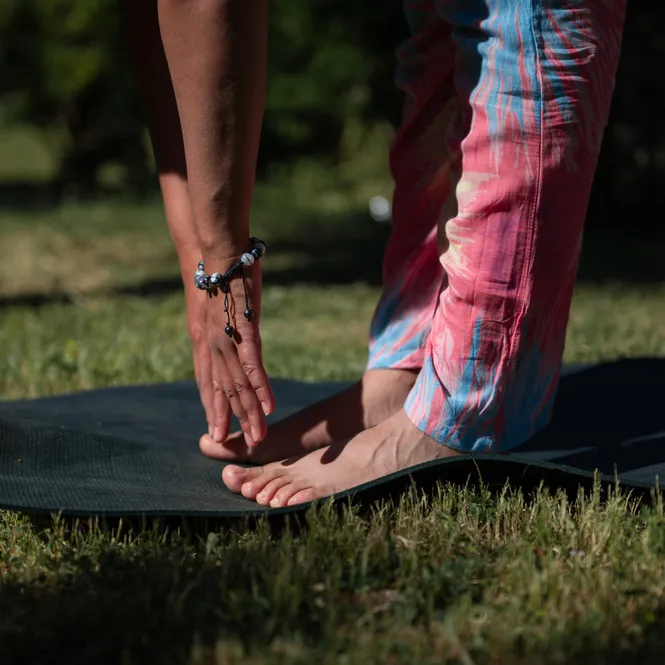
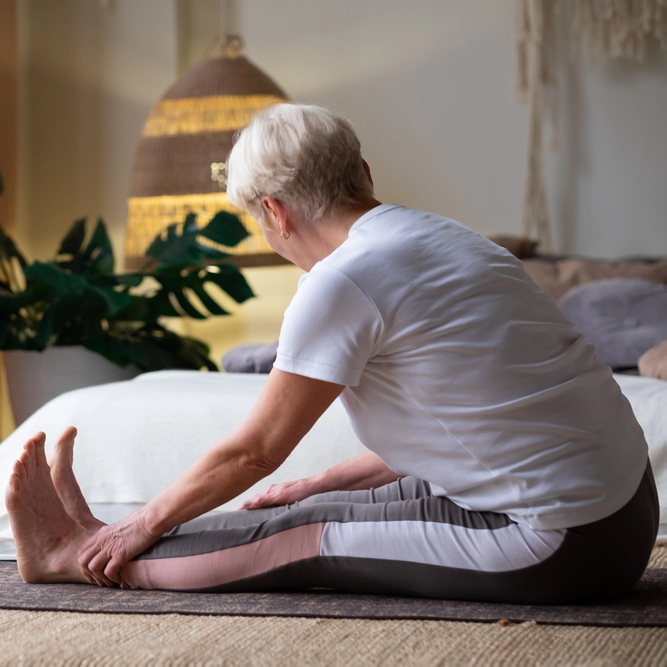
Flexibility and mobility for comfortable movement
Flexibility describes how well your muscles can lengthen. Mobility is your ability to move a joint through an appropriate range of motion with control.
You need both.
You may have enough flexibility to reach a position but not enough strength to control it. You may also be strong but too restricted through your hips, shoulders, spine, or ankles to move comfortably and efficiently.
Appropriate flexibility and mobility can help you:
Bend, reach, turn, and squat more comfortably
Maintain useful movement through your joints
Improve your exercise technique
Move more freely during sports and recreational activities
Reduce stiffness caused by prolonged sitting or repetitive positions
Find comfortable, efficient movement patterns
Continue performing daily tasks as you get older
The objective is not to become as flexible as possible. Each person needs the right combination of mobility and stability for their body and chosen activities.
Flexibility for a reason
For example, a golfer needs enough spinal and hip mobility to rotate through a swing. A cyclist needs mobility to maintain a riding position. A runner or walker needs appropriate movement through the hips and ankles. Someone who wants to garden or play with grandchildren needs enough mobility and control to bend, kneel, reach, and get back up.
Cardiovascular fitness and energy
Cardiovascular exercise strengthens your heart and lungs and improves your body’s ability to sustain activity.
Better cardiovascular fitness can help you:
Walk farther without becoming as tired
Climb stairs more comfortably
Keep up during sports and recreational activities
Recover more efficiently after physical effort
Manage longer workdays, outings, and vacations
Improve energy, sleep, and overall well-being
Support long-term heart and metabolic health
Staying Active
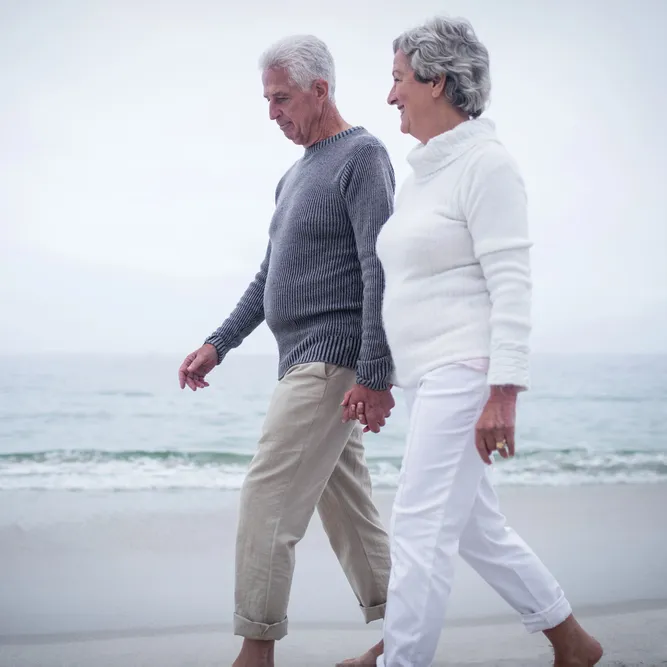
Walking, cycling, swimming, dancing, hiking, recreational sports, and interval-based exercise can all contribute to cardiovascular fitness.
Adults are generally encouraged to work toward 150–300 minutes of moderate aerobic activity each week, or 75–150 minutes of vigorous activity, plus muscle-strengthening exercise. These are overall health targets, not requirements you must meet before exercise becomes worthwhile. Some activity is better than none, and people who are currently inactive can begin with small amounts and progress gradually.
[World Health Organization] (www.who.int/publications/i/item/9789240015128)
Balance, coordination, and confidence
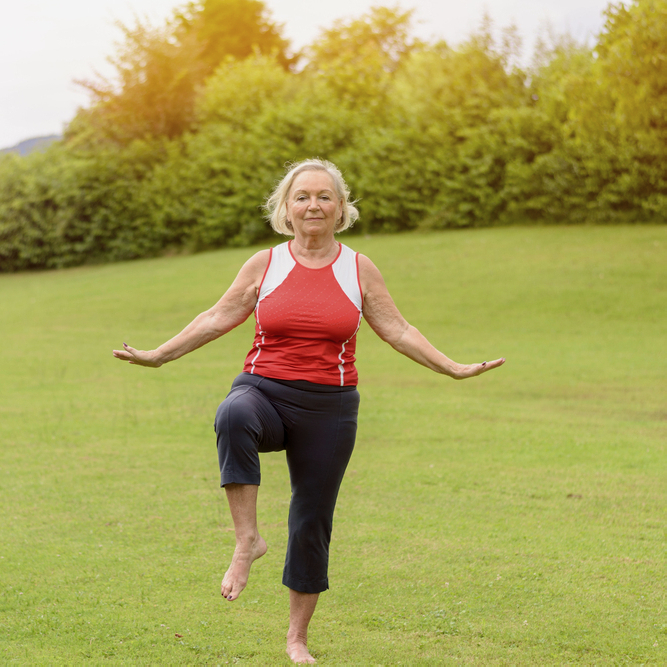
Balance is not only important for older adults. It matters when you walk on uneven ground, step off a curb, carry something awkward, change direction during a sport, or react to an unexpected movement.
Balance depends on several systems working together, including your strength, vision, sensation, joint mobility, coordination, and reaction time.
Balance and coordination exercises can help you:
Feel steadier on your feet
Move more confidently in unfamiliar environments
Improve agility and body awareness for sport
React more effectively to slips or unexpected movements
Perform sport-specific movements with greater control
Maintain independence as you get older
For older adults, regular exercise that combines strength, balance, and aerobic activity can improve physical function and help reduce the risk of falls and fall-related injuries. [National Institute on Aging] (www.nia.nih.gov/health/exercise-and-physical-activity/health-benefits-exercise-and-physical-activity)
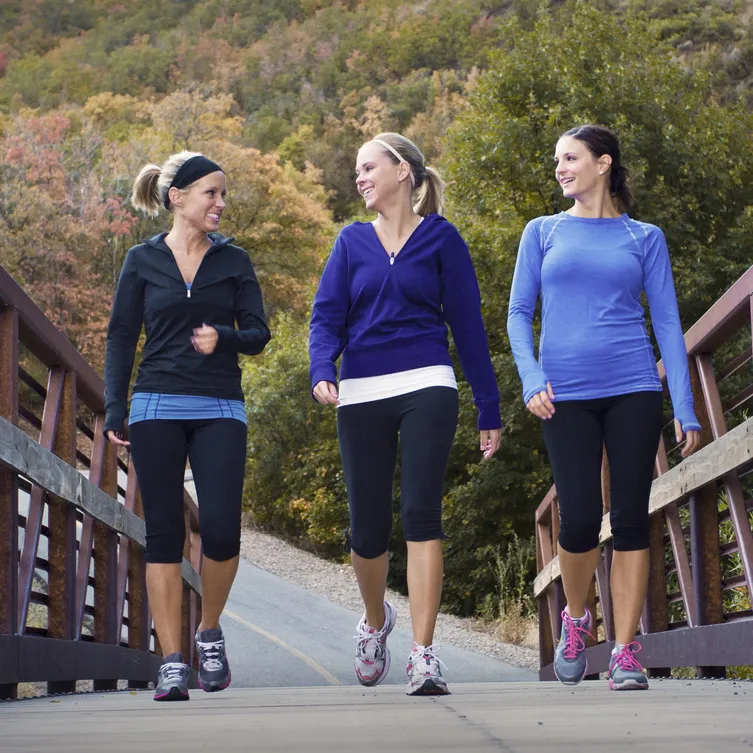
Fitness for every age and stage
Your fitness needs change throughout your life, but movement remains important at every age.
Children and teenagers
Young people benefit from activities that develop strength, coordination, cardiovascular fitness, flexibility, bone health, and confidence. Exercise should be safe, age-appropriate, varied, and enjoyable.
Young and middle-aged adults
During busy working and family years, exercise can support energy, manage stress, offset long periods of sitting, and maintain the strength needed for work, parenting, sports, and recreation.
It is never too late to begin. Older adults can still improve their strength, function, balance, and quality of life through appropriate exercise. [National Institute on Aging] (www.nia.nih.gov/health/exercise-and-physical-activity/health-benefits-exercise-and-physical-activity)
Adults returning to exercise
If you have been inactive, you do not need to return at the level you once achieved. Beginning with manageable exercises allows your muscles, joints, cardiovascular system, and confidence to adapt.
Older adults
Strength, balance, mobility, and cardiovascular fitness become increasingly important for maintaining independence. Exercise can help preserve the ability to walk, use stairs, get up from a chair or the floor, complete household activities, and continue participating in meaningful recreation. \
It is never too late to begin. Older adults can still improve their strength, function, balance, and quality of life through appropriate exercise. [National Institute on Aging] (www.nia.nih.gov/health/exercise-and-physical-activity/health-benefits-exercise-and-physical-activity)
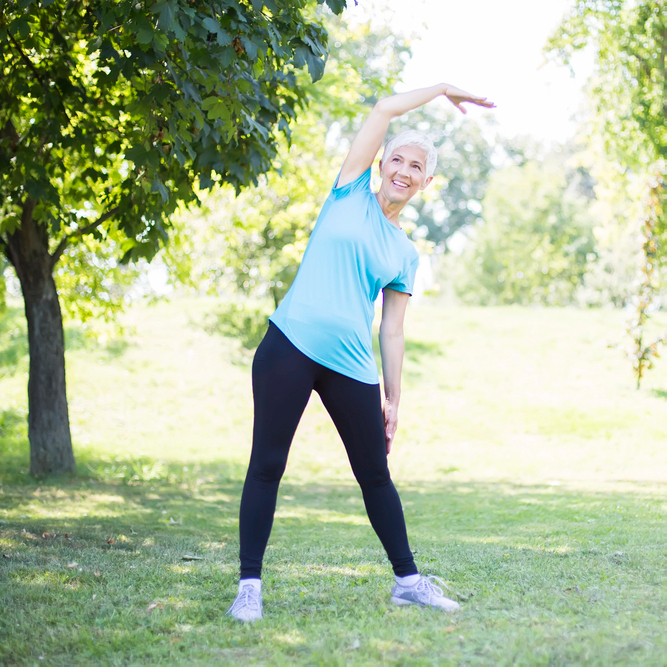
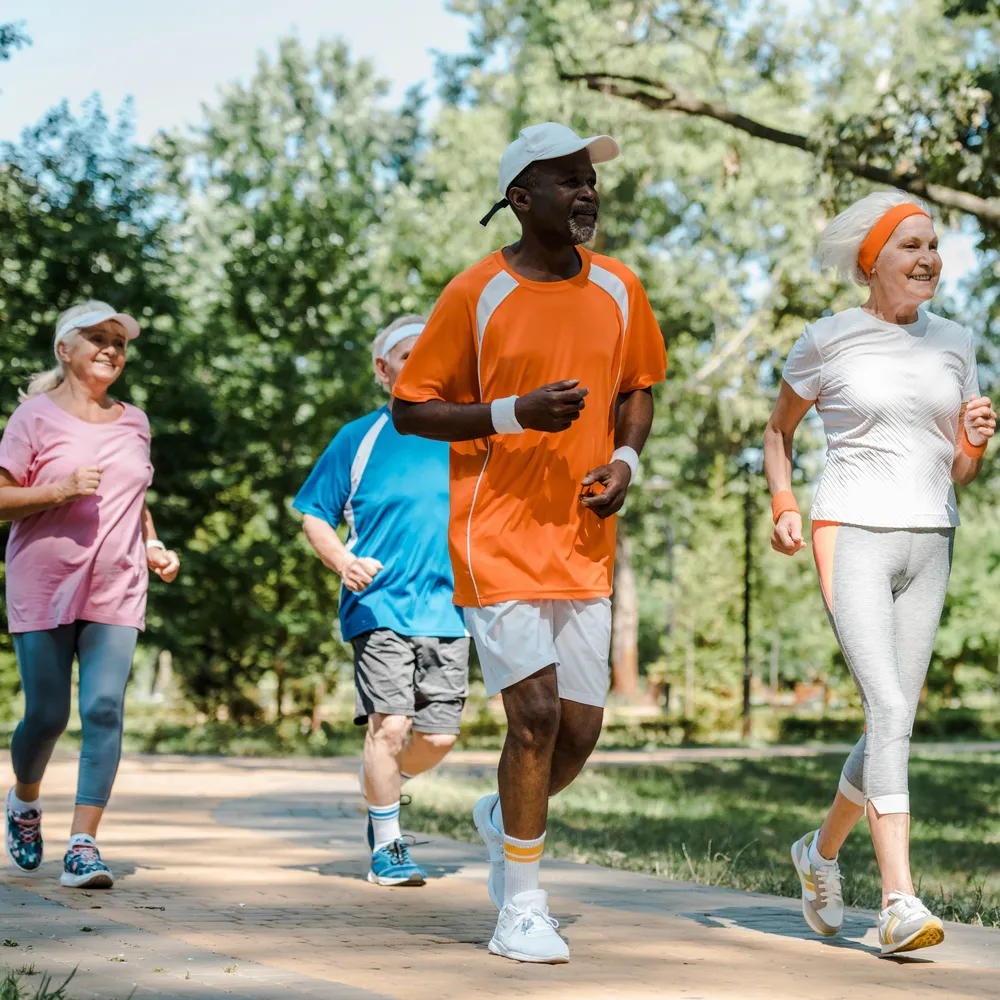
Fitness for every sport
Every activity places demands on your body.
A runner or walker needs lower-body strength, single-leg control, mobility, and cardiovascular endurance. A golfer needs rotation, balance, hip strength, and control. A cyclist needs postural endurance, leg strength, mobility, and aerobic conditioning. A hockey or soccer player needs power, agility, coordination, and the ability to change direction. A gardener, hiker, traveler, or active grandparent needs strength, stamina, balance, and confidence.
The Swish Fitness System can support almost any activity by helping you:
Produce and control movement
Maintain your technique as you become tired
Tolerate the demands of training and participation
Improve balance, coordination, and reaction time
Recover more effectively between efforts
Address physical limitations that interfere with performance
Continue participating as your goals or abilities change
Not An Athlete?
You do not have to identify as an athlete. If there is something physical you want to do, your body needs to be prepared for it. In fact, the body is designed to maintain a reasonable amount of strength and flexibility throughout your life. An intentional exercise program can help overcome some of the limitations introduced by modern lifestyles.
A Physical Therapy informed approach
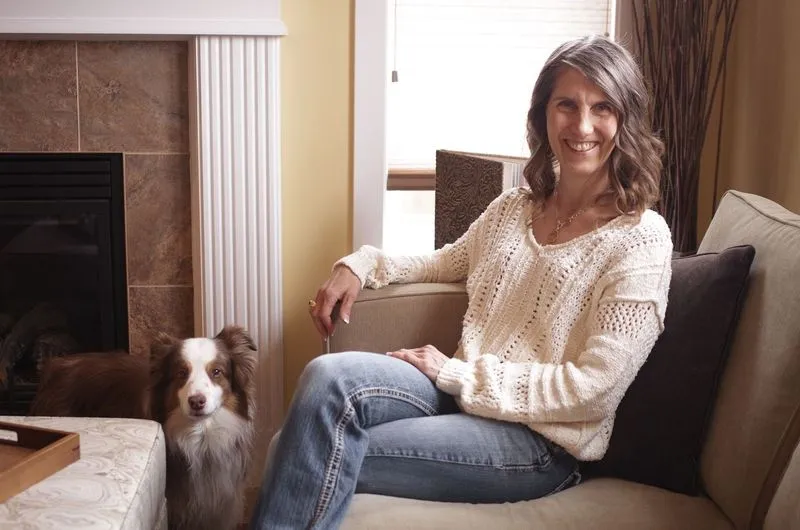
I have worked as a Physical Therapist for more than 30 years and have treated people with many different injuries, abilities, occupations, sports, and fitness levels.
I am also an athlete and understand what it is like when an injury or physical limitation interfere with doing something you love.
Throughout my career, I have seen recurring patterns in the areas people commonly need to strengthen, lengthen, stabilize, or learn to use more effectively. I created the Swish Fitness System using that experience.
The Swish Fitness exercises are selected because they have a purpose—not simply because they are difficult
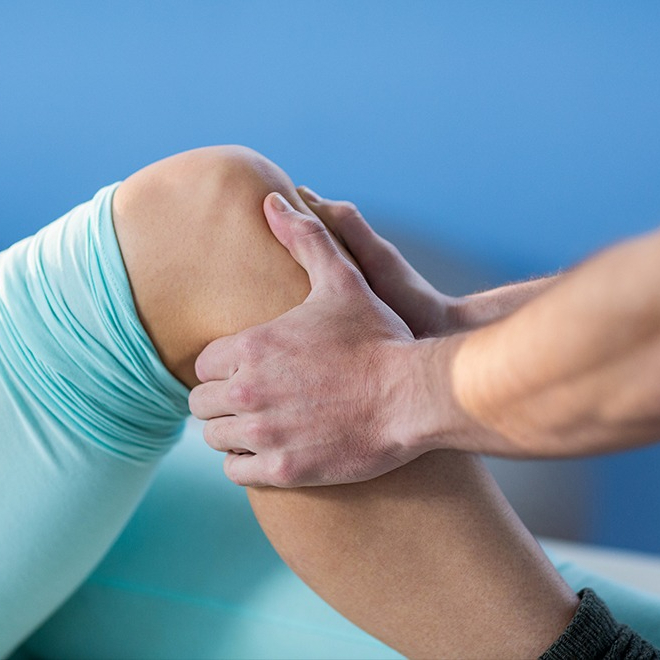
SWISH FITNESS SYSTEM HELPS WITH:
Swish Fitness System addresses many of the common physical challenges I have seen throughout my years as a Physical Therapist, including:
Core and lower-body weakness
Low back discomfort
Neck and upper-back discomfort
Hip and knee weakness
Tight or stiff hips
Shoulder weakness or discomfort
Weak shoulder blade and rotator-cuff muscles
Rounded shoulders and poor posture
Uneven shoulder or pelvic positioning
Reduced arm strength
Decreased balance
Reduced flexibility and mobility Loss of confidence following an injury
WHAT TO EXPECT
The Swish fitness classes and membership include strength, mobility, flexibility, balance, core control, and coordination. Minimal equipment is needed – just a theraband and some small weights (or soup cans or whatever you have available!)
Your progress
As you become stronger and more confident, you can progress the exercises to match your changing abilities and goals. Dawn provides multiple levels and versions of each exercise throughout the classes.
Your real life
The program is designed to relate to what matters to you—whether that means returning to a sport, improving your health, keeping up with your family, travelling, or simply moving through the day more comfortably.
You do not need hours in the gym
Fitness does not have to take over your life. A consistent, focused program can be more useful than occasional exhausting workouts. The goal is to do the right exercises, complete them regularly, and progress them as your body adapts.
Exercise should be challenging enough to create change, but realistic enough to continue.
Start from where you are
You may be active and looking for your next challenge. You may be rebuilding after an injury. You may feel like you have lost strength or flexibility over the years. You may not know where to begin.
All of those are valid starting points.
Fitness is not about comparing yourself with someone else. It is about creating a stronger, more capable body that helps you live the life you want. That’s what Swish Fitness offers.
Imagine having more energy, trusting your balance, moving with less stiffness, feeling stronger during daily activities, being able to do the sports you love and having the confidence to try something new.
Start Building Strength For Life
BE FIT. FEEL GREAT. LOVE LIFE.
You do not need a perfect routine or hours of free time. You need a starting point, an appropriate plan, and exercises that have a purpose. Join Swish Fitness.
STILL NOT SURE?
Frequently Asked Questions
Do I need to be fit before I start?
No. Swish Fitness is designed to meet you at your current level. Exercises can be modified and progressed as your strength, mobility, and confidence improve.
Is the program for athletes?
No. It is for anyone who wants to move, feel, or function better. Your goal might involve a sport, but it could also be climbing stairs, gardening, travelling, keeping up with your family, or maintaining your independence.
Can I participate after an injury?
Possibly, but your program may need to be adapted. A Physical Therapy informed approach helps identify limitations and select exercises appropriate for your stage of recovery. New, significant, or worsening symptoms should be assessed before you push through them.
Am I too old to begin strength training?
No! Strength training can be adapted to different ages and abilities. Appropriate exercise is especially valuable as we get older because it supports muscle, balance, physical function, and independence.
Will flexibility exercises alone help me move better?
Flexibility can be useful, but it is only one part of healthy movement. Most people benefit from combining flexibility and mobility exercises with strength and movement control included in the exercise program.
SAFETY NOTE: If you have significant or unexplained pain, a recent injury or surgery, osteoporosis, a medical condition that affects exercise, or concerns about beginning a new program, speak with your healthcare provider or Physical Therapist. Exercise should be modified to suit your current health, abilities, and stage of recovery.

Important links
Services
Gunn IMS
Specialized Exercise Programs
Physiotherapy for Motor Vehicle Accidents
Physiotherapy for Sports Injuries
Physiotherapy for Horse Riders
Private Consulting for Horse Riders
Physiotherapy for Cyclists
Injection Assessments
Fitness for Hose Riders
Fitness for Women
Fitness for Everyone
Contact
Location
Located at Vertex Physio
Unit #205
6958 76 Ave.
Edmonton, AB
T6B 2R2
© 2026 Swish Physio - All Rights Reserved.